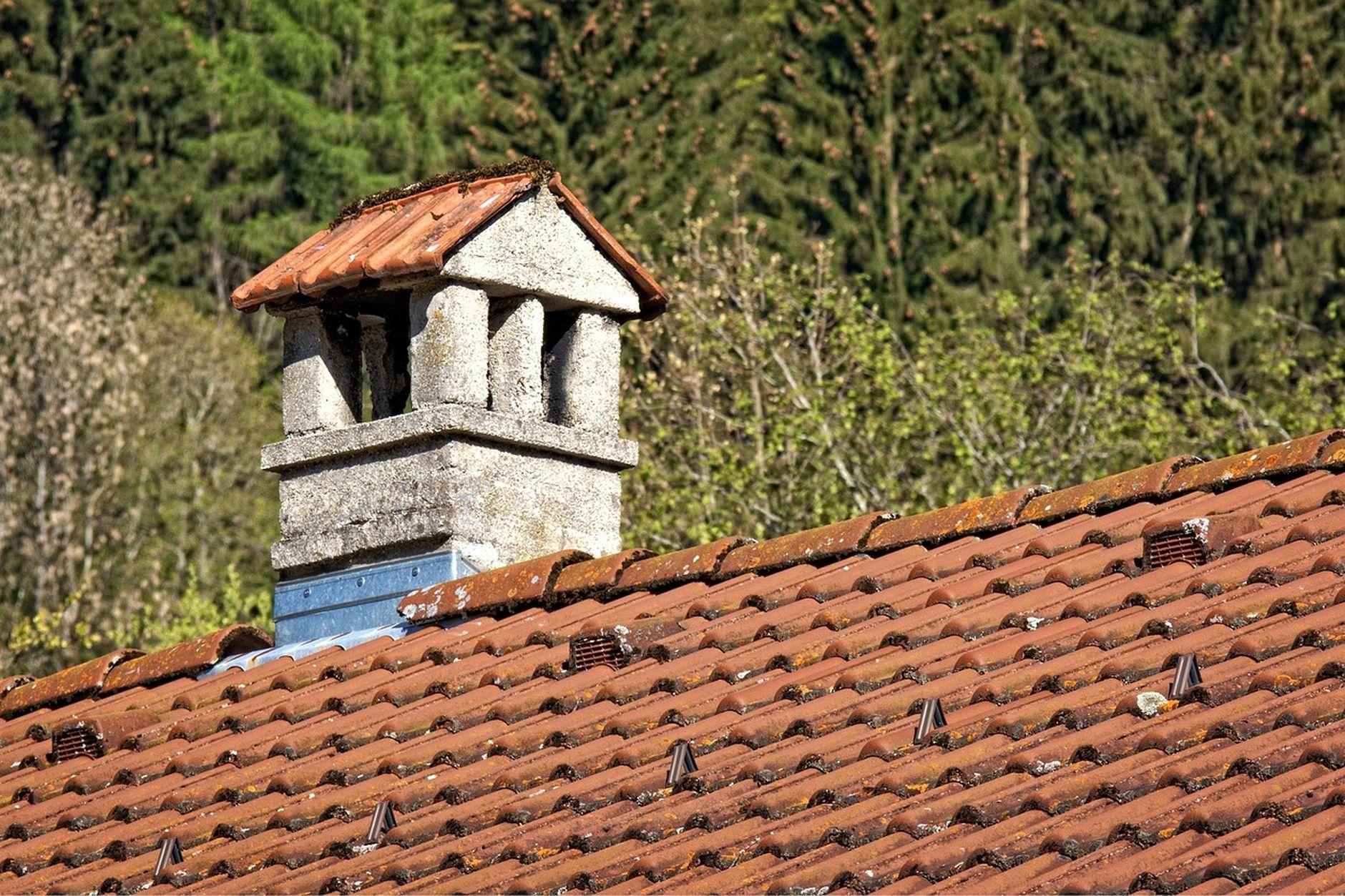
The fire calendar in Los Angeles has two halves that overlap. From late summer into winter, dry offshore winds raise the brush fire risk. Then the cold nights arrive, fireplaces get lit, and the air district can start calling off wood burning on poor-air days. A chimney sweep fits neatly in the gap before both, and that timing is the subject here: when to book, what Dalrymple Chimney Experts charges, what the visit includes, and how to tell whether your flue needs it this year.
Why sweeping belongs to fire season
Every wood fire leaves a coat of tar and soot on the inside of the flue. Thin, it is harmless. Thick, it is fuel stored in the one place a fire is meant to be contained. When that coat catches, it burns hot and fast, and it throws lit flakes out the top of the chimney onto shingles, gutters and the yard. On a calm, damp night that is bad. On a dry night with wind it is how a house fire starts from the outside.
Spring adds its own fuel. Birds nest in flues without a screen, and leaves blow into open tops through summer. A first fire in October under a nest is one of the calls nobody wants. Clearing the flue before the season removes both kinds of fuel at once.
What a sweep costs
Our chimney sweep is from $400 for one flue. The figure climbs when the job is bigger than a standard fireplace flue:
- a second or third flue in the same stack
- glazed, shiny buildup that needs more than brushes to lift
- a wood stove with its stovepipe to take apart and clean
- a nest, a dead animal or a heap of leaves to pull out first
- a steep or tile roof that slows the work on top
When any of these show up, we tell you the new figure before going on.
What the visit covers
We protect the room before anything else. The hearth and floor get covered, the fireplace opening is closed off, and a vacuum with a fine filter runs the whole time so soot stays in the chimney and out of the room.
Then the brushes go through the flue, the smoke chamber and the smoke shelf, and the firebox is cleared out. Because our work starts from embers, the chimney top gets a proper look even on a sweep: the cap, its screen, the crown and the flashing. You get a short written note with photos of what we saw, and anything needing repair is listed on its own line with a price where we publish one.
Does your chimney need one this year?
Not every flue needs a sweep every year. These are what decide it:
- How much you burned. A handful of fires a winter builds up slowly. A fire most evenings builds up fast.
- What you burned. Seasoned hardwood leaves less tar than green wood, pine, cardboard or wrapping paper.
- How long since the last one. If you cannot remember, or you bought the house without a record, it is due.
- What the fireplace tells you. A tar smell on hot days, black flakes on the firebox floor, or smoke spilling into the room all point the same way.
- A gas-only fireplace. Gas logs leave little soot, so a sweep is seldom needed, though the vent and cap still need checking.
If you burned more than a few fires last winter or have no idea when the flue was last cleaned, use the form at the top of this page to tell us how often you light a fire and what you burn. We will say whether a sweep, an inspection or both fits better.
Sweep or inspection first?
A sweep cleans. An inspection judges. If nobody has looked at the chimney since you moved in, or it has been through a strong quake or a chimney fire, the judging should come first. A Level 1 inspection is $52 and looks at the parts in plain view. A Level 2 at $375 adds a camera through the full flue. Many households book a sweep and a Level 1 on the same visit, since the flue is open and clean for viewing. Our inspection page sets out the difference.
Booking around the calendar
August and September are the calm part of the year for this work. Book then and the flue is clean before the offshore winds and before the first cold night. Wait until the first cold snap and you are booking at the same moment as everyone else who just lit a smoky fire.
If you burn wood, keep the no-burn days in mind as well. The South Coast AQMD can call them on winter days when the air is poor, and a fireplace you cannot use on those nights still needs to be ready for the nights you can. Our post on no-burn days and gas inserts covers that side.
We sweep chimneys across Los Angeles and in Alhambra, Temple City and Maywood.
Short answers
Is a sweep messy? It should not be. If you find soot on the furniture after any sweep, the room was not protected well enough.
How often does NFPA 211 say to sweep? The standard asks for a yearly inspection and a cleaning when the inspection finds the flue needs one. We follow that: inspect every year, sweep when the buildup calls for it.
Do you sweep wood stoves too? Yes, along with the stovepipe and the cap.
Can you sweep without a cap on top? Yes, and we will tell you if a screened cap should go on afterward. See our post on ember screen cap prices.
Next step
A clean flue and a whole screen are the two things the top of your chimney needs before the wind changes. Reach us through the contact page to set the date that suits you.
Get Your Screen and Flue Checked Before the Wind
Dalrymple Chimney Experts sweeps flues, fits spark arrestor caps and inspects chimneys from our Los Angeles base, with regular visits in Alhambra, Maywood and Temple City. Each report puts fire-risk items first.