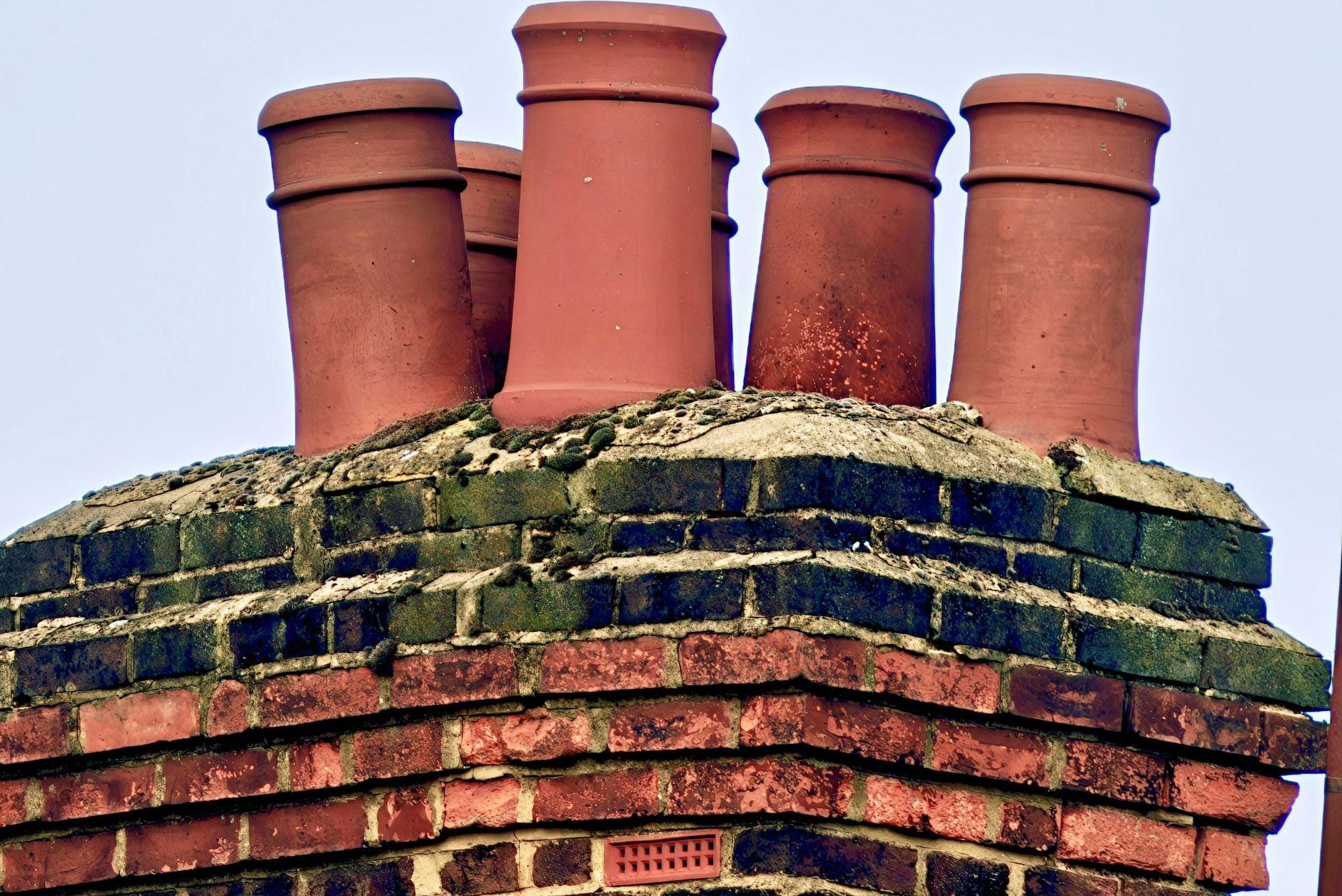
Picture two bids for one Los Angeles chimney, with one total a little over twice the other. The smaller bid lists a galvanized cap and crown coating. The dear one says new poured crown, stainless screened cap and fresh metal where the stack meets the roof. Those are two separate jobs wearing the same heading, and that mismatch explains far more gaps between chimney bids than any difference in what two companies charge for identical work. This post covers how to line two bids up so you are comparing the same thing, and how to choose once you are.
Put the scope side by side first
Before looking at a single total, list what each bid actually includes, item by item. Write the items in two columns. You will usually find:
- items that appear on one bid and not the other
- items with the same name that mean different work, such as "crown repair" meaning a coating on one bid and a new crown on the other
- items with no detail at all, such as "chimney work" or "repair as needed"
The last kind is the one to push on. A line you cannot picture is a line you cannot hold anyone to.
The top of the chimney is where bids drift apart
For a household thinking about embers and sparks, the chimney top is the part that matters most, and it is where wording varies most. Check each bid for:
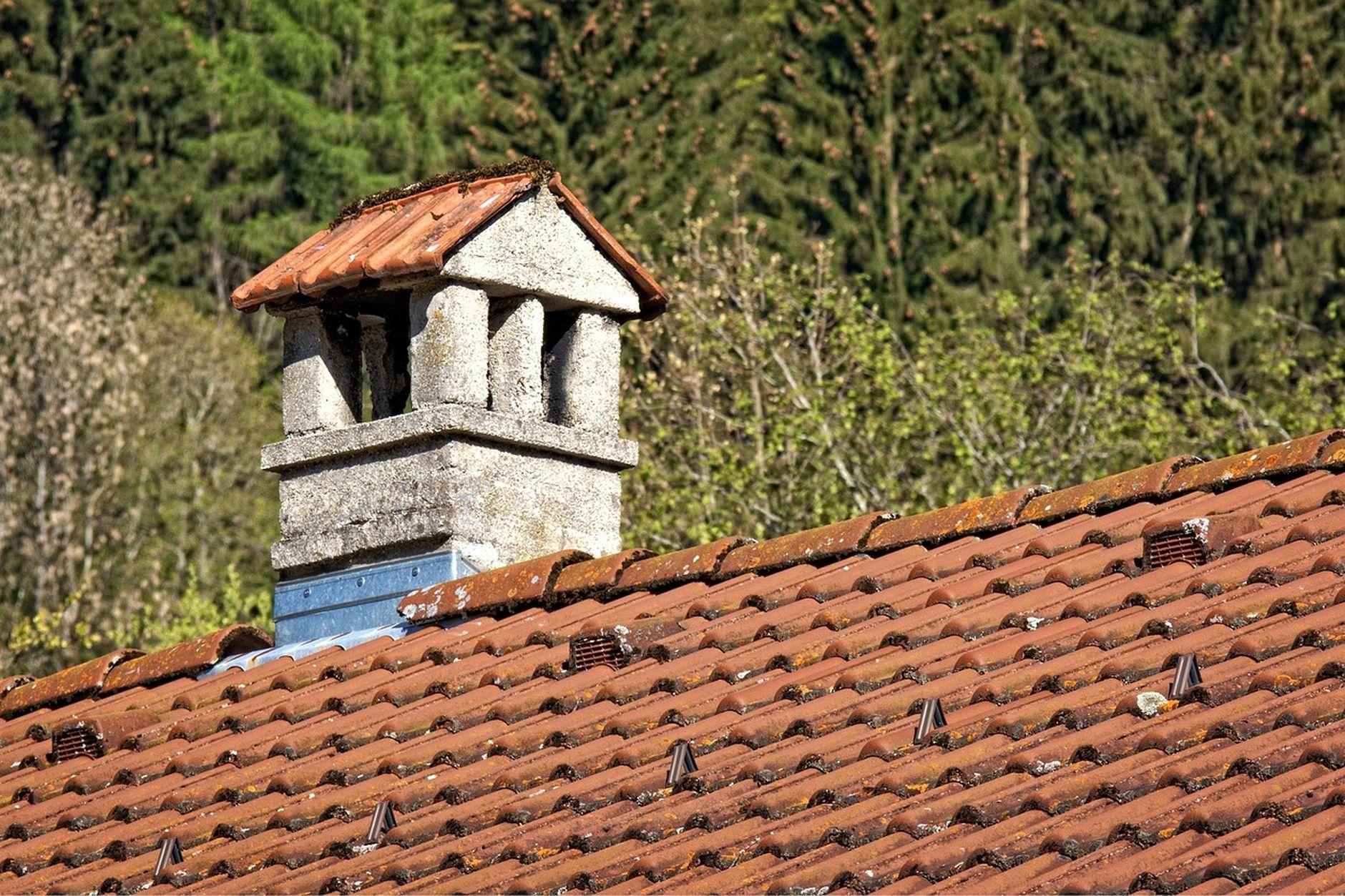
- Whether the cap has a screen. Some caps are lids only. Without mesh, nothing stops embers or sparks.
- The metal. Galvanized and stainless can look alike on paper and wear very differently in coastal air and summer sun.
- What the cap fastens to. A cap clamped to the tile and a cap fixed across the whole crown are different parts at different prices.
- The crown under it. If one bid includes crown work and the other does not, ask the second company whether they looked at the crown at all.
Photos and the camera
Ask what each bid is based on. A bid for a liner, a crown or flue repair should come with photos of the problem, and for anything inside the flue, frames from a camera. A bid for relining with no camera frames is a guess at the length, the condition and the size of the flue. A guess can be close; it can also turn into a second bill halfway through the job.
If neither company ran a camera and the work involves the flue, a Level 2 inspection at $375 gives both bidders, and you, the same picture to price from. Our Level 2 page covers what it records.
Signs to slow down
Some patterns call for a second look before you sign:
- pressure to decide on the spot, or a price that only holds if you agree that day
- a full rebuild recommended with no photos of the brick above and below the roofline
- a repair list that grows each time the person comes down the ladder
- a bid that names no materials, only a total
- talk of fire danger with no description of where the danger is
None of these prove a bad bid. They are reasons to ask more questions.
How to choose between them
Once the two bids describe the same work, these decide it:
- Does each line say what is done, with what, and where?
- Are there photos for each repair?
- Does the bid mark what can wait? A bid that calls every item urgent leaves you no room to plan.
- Is the cap screened, and is the metal named?
- Does the total hold, or does it say "plus extras found during work"?
If you already have one bid and want a second written the same way, list the items it covers in the form at the top of this page, and we will book a visit to price that scope line for line.
How we write ours
Every bid from Dalrymple Chimney Experts lists each repair on its own line with photos, says what each line does, and marks what can wait a season. Where we publish a price, it is printed beside the line: leak tracing and repair at $535 to $3,200, a cricket on the uphill side at $430 to $965. A screened cap is quoted after we measure. Work we do not publish a price for, such as a liner or a new crown, gets its own written figure once we have seen it. Nothing is bundled to make the total look smaller.
Do not let the bidding run past the wind
Collecting bids takes time, and the chimney top does not wait. If the main item is a missing or rusted screen, get that part done first, before the fall offshore winds, and keep comparing bids for the larger work afterwards. A screened cap is a small job that seldom depends on the rest.
We bid on chimneys across Los Angeles and in Alhambra, Maywood and Temple City.
Short answers
Should I take the lowest bid? Take the one whose lines you understand and whose photos match the problem. Low and complete is good; low and vague is not.
Will you match another company's price? We price our own scope. If our figure is higher, the lines will show why, and you can drop any that are not worth it to you.
Do you need to see the other bid? It helps us price the same work, but it is not required. You can simply tell us what it covers.
Next step
Two bids that describe the same job are easy to choose between. If you want ours as one of them, send the address and the work you are pricing through the contact page.
Get Your Screen and Flue Checked Before the Wind
Dalrymple Chimney Experts sweeps flues, fits spark arrestor caps and inspects chimneys from our Los Angeles base, with regular visits in Alhambra, Maywood and Temple City. Each report puts fire-risk items first.