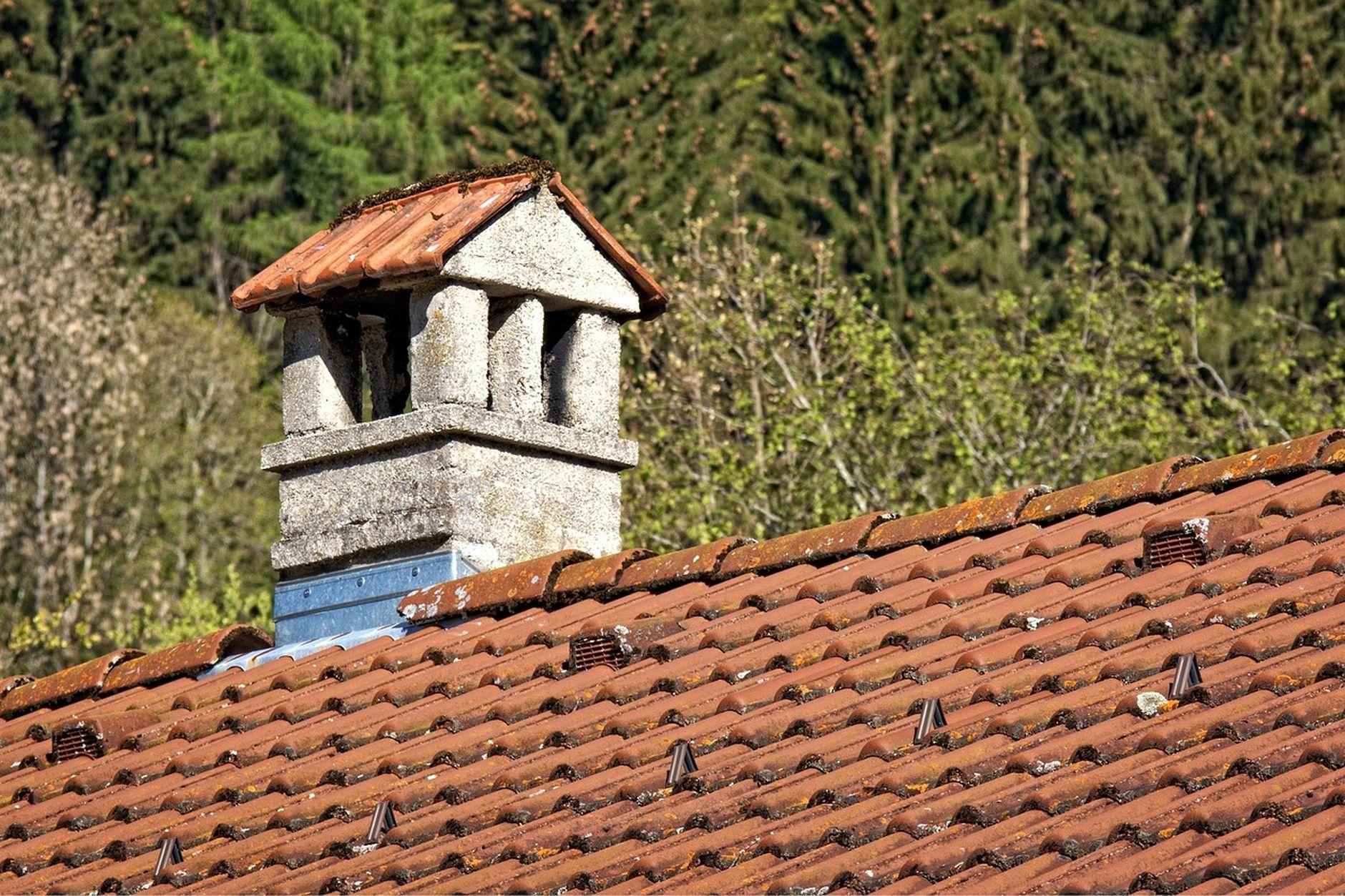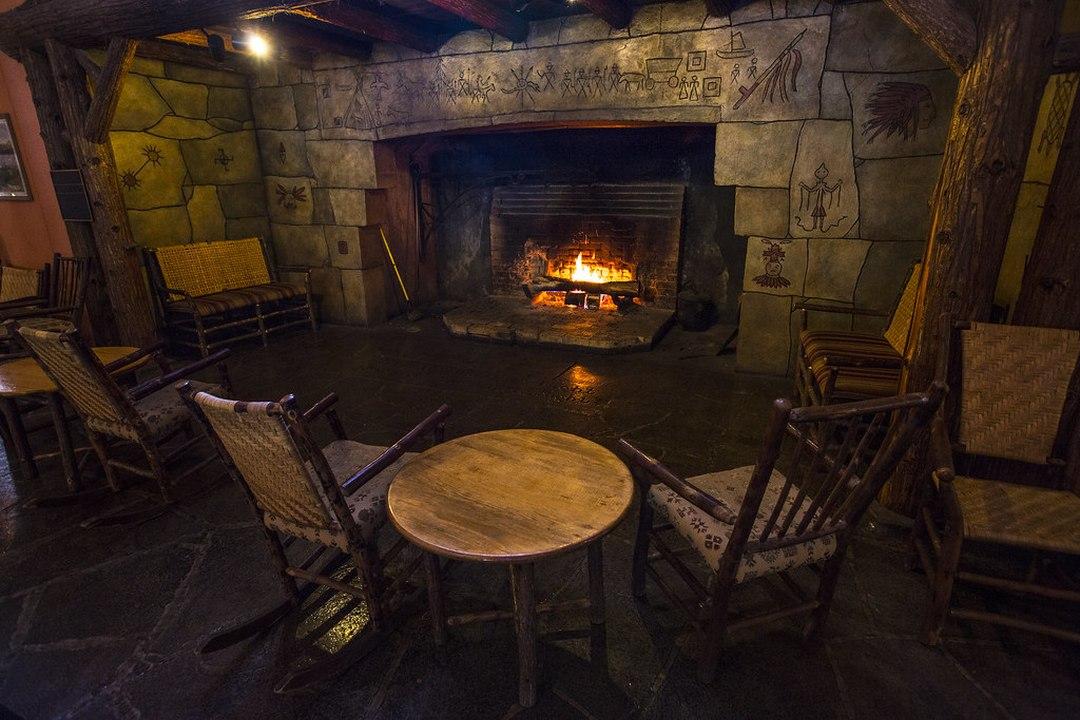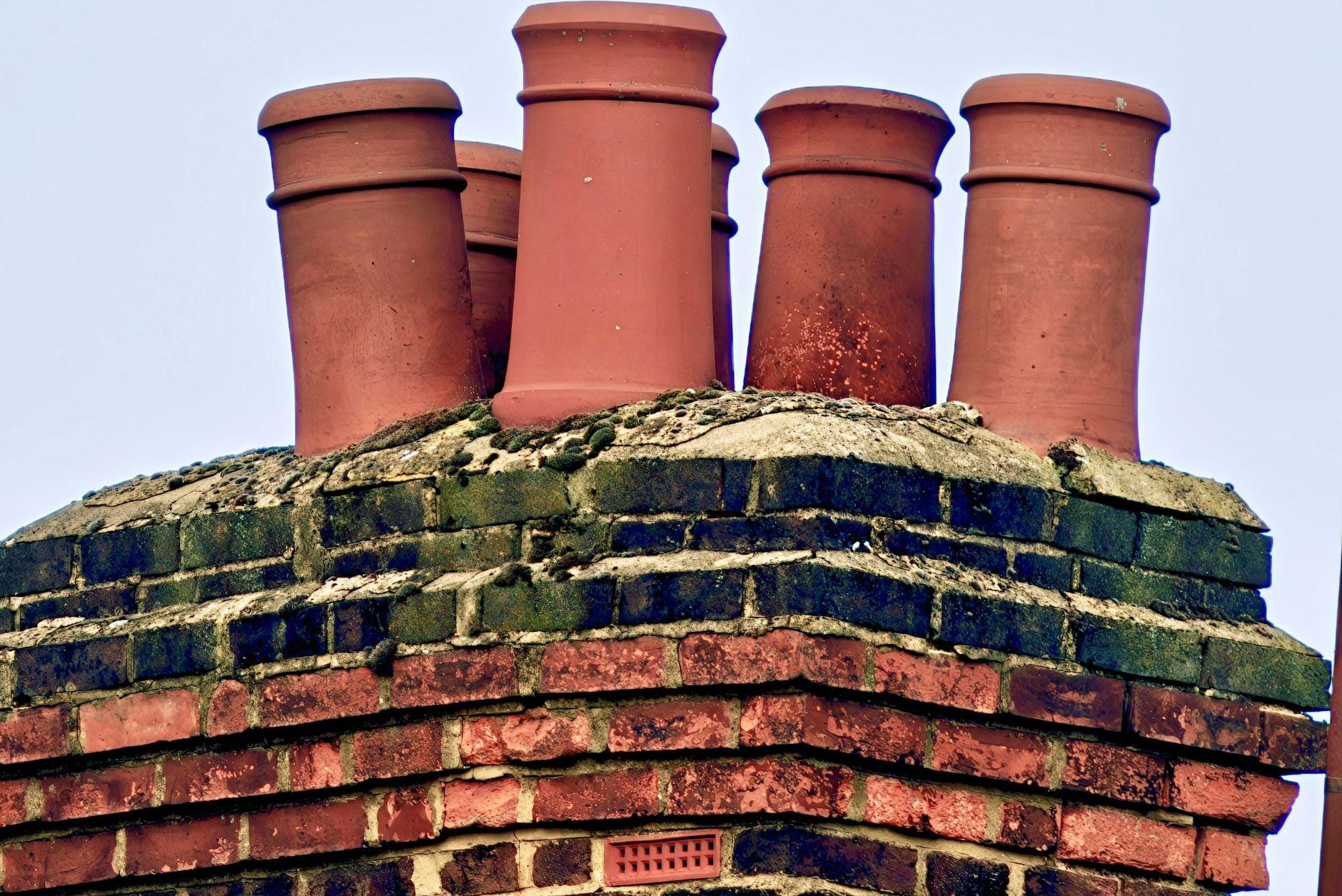
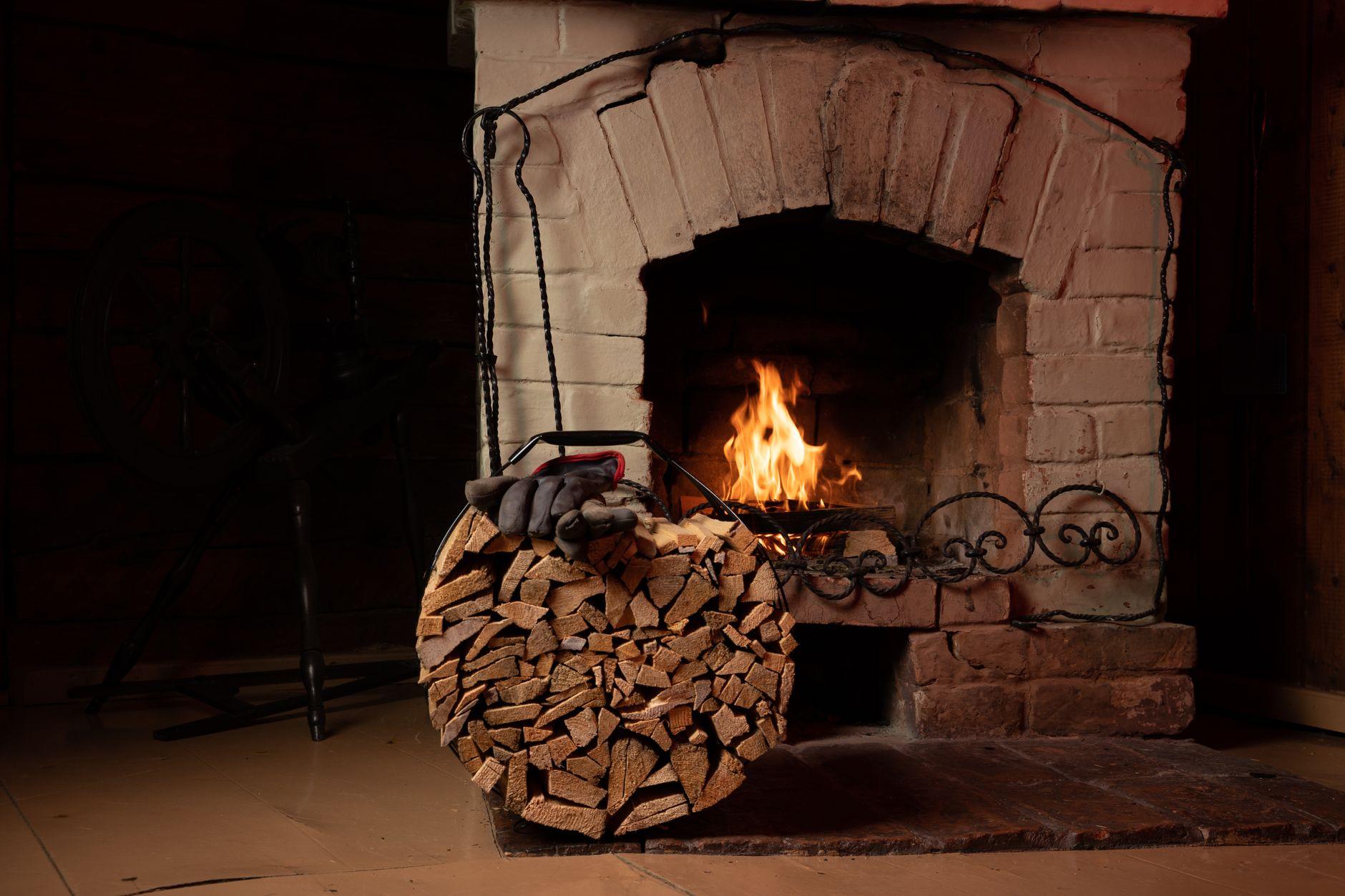
Fall is when the top of a chimney matters most, and the reason is the wind. A Santa Ana event can push embers far ahead of a brush fire, and a chimney with nothing on top is an open pipe running straight down into the living room. The same opening works in reverse once winter comes: a hearth fire lifts sparks up the flue and drops them on a roof that has been drying out since May. A cap with a sound metal screen closes both routes. This post sets out how Dalrymple Chimney Experts prices one in Los Angeles, what pushes the figure up or down, and what the money buys.
How a cap is quoted
Every chimney cap we fit is quoted after we measure. The quote covers the cap, the fasteners, the trip onto the roof and a look at the crown and the top of the flue while we are standing there. It leaves out crown repair or a new liner if the visit shows either one is needed. Those get a separate written figure, so the cap price you were given stays the cap price.
Wide caps over several flues, caps built to measurements, and copper cost the most.
What sets the cap price
Five things set your cap price, and we can usually tell which ones apply from the first conversation:
- One flue or several. One clay tile is fitted with a cap that grips that tile alone. Two or three flues on one crown usually needs one broad cap covering them all, fastened to the crown, which means more metal and more time.
- Stock size or built to measure. Most chimneys around Los Angeles take a stock size. Tall tiles, odd shapes or a crown that is out of square call for a cap made to our measurements.
- The metal. Galvanized steel costs least and rusts through first, and its screen tends to go before its lid. Stainless lasts far longer in coastal air and summer heat. Copper costs the most and is chosen mostly for looks.
- The roof. A one-story house with a shingle roof in the flats is quick work. A steep tile roof on a two-story hillside house needs more ladder, more care and more time to avoid cracking tiles.
- What comes off first. An old cap with seized screws, or one bedded in mortar, takes longer to remove than it took to put on.
If you know how many flues come out of your crown and whether the roof is tile or shingle, put both in the form at the top of this page and we will set up the visit to measure and write the cap figure down.
The screen is the part doing the work
A chimney cap is a lid on legs with a band of mesh around it. The lid keeps rain off the flue. The mesh is what stops embers coming in and sparks going out, and it is the part that fails first. Thin wire corrodes faster than sheet metal, and acid in wood smoke speeds that up on a fireplace burned hard every winter. A cap can look fine from the sidewalk while its screen has rusted into holes the size of a thumb. That is the first thing we check on any cap call, and it is the usual reason an old cap gets replaced rather than patched.
A screen can also be too fine. Soot and tar clog tight mesh, which chokes the draft and pushes smoke back into the room. We pick a screen that stops embers yet stays open enough for the fireplace you have and the fuel it burns.
Metal fireplaces and their caps
A lot of houses and condos in Los Angeles have a factory-built fireplace: a metal firebox with a metal flue rising inside a framed chase. Its maker designed the cap to go with that flue and tested the two together, so the right replacement comes from the same maker's line rather than a masonry cap off the truck. We look up the model from the label inside the firebox before ordering.
If the metal top of the chase is rusting under the cap, a new cap alone will not keep water out of the framing, and we say so on the spot. More on that part is on our chase cover page.
When a cap is not the whole answer
A cap sits on the crown, the concrete slab around the flue. If that slab is cracked through, or the tile under it is broken, a new cap on top only hides a problem. In that case the cap price stays as written and the crown or flue work goes on its own line, with the choice to fit the cap first if the wind season is close. Crown work is explained on our crown repair page, and flue work on the liner page.
Which month to book
For embers, the cap should be on before the fall offshore winds. For sparks, before the first winter fire. If you only book once, book in late summer: that covers both and lands before the roof gets wet. When the fireplace is also due for a cleaning, we pair the cap with a sweep since we are on the roof anyway, and our post on sweeping before the winds turn covers that timing.
We fit caps across Los Angeles and in nearby Alhambra, Temple City and Maywood. Caps are quoted the same way in each.
Short answers
Can my old cap be rescreened instead of replaced? Sometimes, when the lid and frame are solid stainless. A galvanized cap with rusted mesh is rarely worth the labor.
Will a cap hurt the draft? One of the right size and height does not. A cap sitting too low over the tile, or one with clogged mesh, can make smoke roll into the room.
Does a gas fireplace need one? Yes: a vent cap made for that appliance. It keeps out rain and birds and carries its own screen.
Is a spark screen the same thing as a cap? A screen is part of a cap. Some older chimneys have a bare mesh basket and no lid, which stops embers but lets rain straight down the flue.
Getting the top sorted
The quiet months before the wind are the easy time to get a screened cap on. Reach us through the contact page with the address and roof type, and we will plan the visit around your calendar.
Get Your Screen and Flue Checked Before the Wind
Dalrymple Chimney Experts sweeps flues, fits spark arrestor caps and inspects chimneys from our Los Angeles base, with regular visits in Alhambra, Maywood and Temple City. Each report puts fire-risk items first.